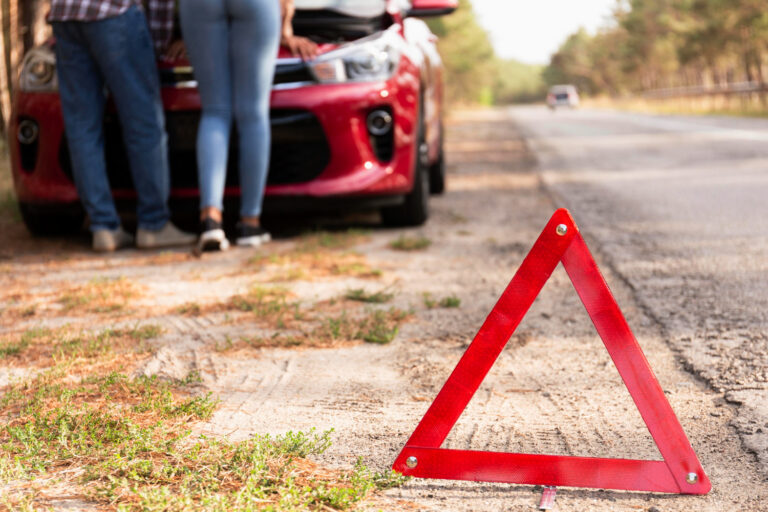
We’ve all been there. You’re running late, you hop in the car, turn the key… and nothing. The dash flickers, maybe you hear a faint click, and your stomach sinks because you know what’s coming next: calling a tow truck.
But here’s the thing—after more than 25 years working as a mechanic, I can tell you a lot of tows don’t need to happen. In fact, there’s one simple DIY trick that has saved countless drivers from sitting on the side of the road, waiting for a truck that might cost them a couple hundred bucks.
I’ll walk you through that trick in just a second, but I’m also going to share some other emergency roadside repair tips I’ve picked up over the years. These are easy, practical fixes you can do yourself without needing a full garage of tools.
The average tow in the U.S. runs anywhere from $100 to $300, and that’s just to get you to a shop. If you’re stuck in the middle of nowhere, it can cost even more.
Besides the money, there’s also the safety factor. Breaking down on the highway shoulder in the dark is stressful and dangerous. If you can get your car running again—even just long enough to limp it home or to the nearest shop—you save yourself time, money, and peace of mind.
I’ve seen drivers wait three hours for a tow truck on a hot summer day when a five-minute fix could’ve gotten them rolling again. That’s why I always tell folks: learn a couple of these quick DIY tricks. They can make all the difference.
Here’s the one that’s saved more people than I can count: checking and tightening your battery connections.
A lot of people assume the battery is dead. They call for a jump or a tow. But half the time, the issue isn’t the battery—it’s the connection.
Electricity has to flow from the battery to the starter. If the connection is weak, it’s like trying to run a marathon while breathing through a straw—just not enough juice gets through. Tighten the clamp, clean it up, and suddenly the power flows like it should.
I had a customer named Mike who called me in a panic from a grocery store parking lot. He was ready to get his car towed in. I told him over the phone to pop the hood and give the battery clamps a wiggle. One of them practically came off in his hand. He tightened it with his multi-tool, turned the key, and drove home smiling. He saved himself a $180 tow bill that night.
Battery connections are the big one, but there are a few more tricks worth keeping in your back pocket.
Not everyone feels comfortable swapping out a spare on the shoulder. That’s why I always recommend keeping two things in your trunk:
Together, these can get you enough air and seal to drive to a shop without calling for a tow.
If your temp gauge spikes:
I once saw a driver pour ice water straight onto a hot radiator. The hiss was dramatic, but so was the $1,500 repair bill when the radiator cracked. Don’t make that mistake.
Now this one’s a bit of a hack, but it can work in a pinch. If your serpentine belt snaps and you’re stranded, you can sometimes rig up a temporary belt using a spare pair of nylon tights, a rope, or even a sturdy shoelace.
It won’t last long, but it may be enough to limp off the highway and into the nearest shop. I wouldn’t rely on it for more than a few miles, but I’ve seen it save the day.
Modern cars can run 30–50 miles after the low fuel light comes on, but life gets busy and sometimes we push our luck. Keeping a small approved gas container in the trunk can save you a long wait if you run dry in the wrong spot.
Here’s what I recommend every driver keeps in their trunk. Trust me, these tools pay for themselves the first time you need them:
Optional but smart: a first aid kit and a small fire extinguisher.
As much as I love showing people DIY tricks, there are times you just shouldn’t risk it:
Know your limits. Saving $150 on a tow isn’t worth putting yourself in danger.
Most roadside breakdowns feel worse than they are. The next time your car won’t start, before you panic, pop the hood and check that battery connection. It might be the fastest $0 fix you’ll ever make.
And if you take one thing away from this article, let it be this: preparation is everything. A little knowledge, a few simple tools, and you’ll feel a whole lot more confident when life throws you a curveball out on the road.
If you’d rather have peace of mind knowing your car’s in top shape before trouble even starts, swing by Kingdom Autocare. We’ll check your battery, fluids, belts, and everything else that could leave you stranded.
👉 Book an appointment today and let us keep you rolling with confidence.