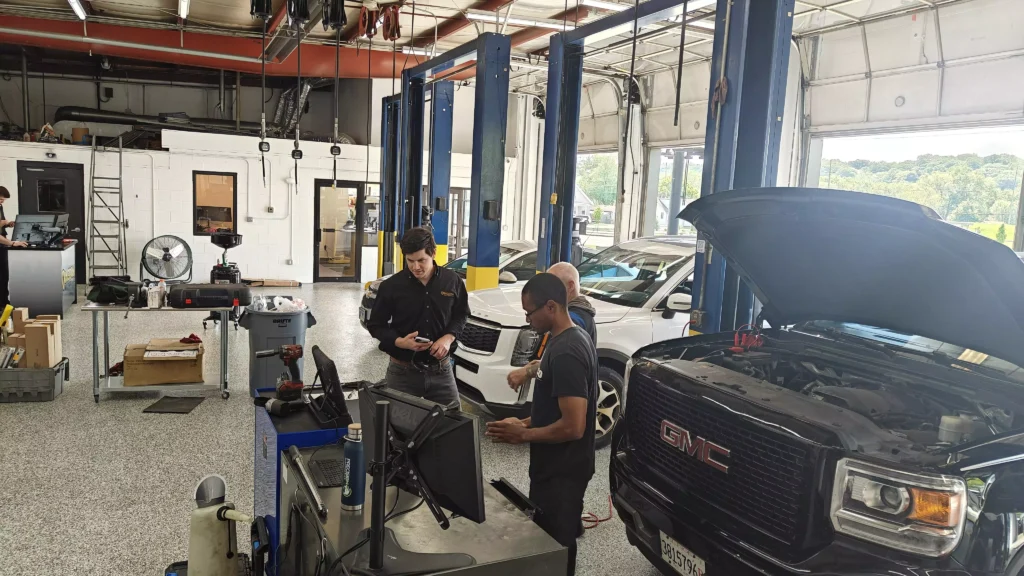
Hey there! I’m Steve, and I’ve been wrenching on engines for over 25 years. I’ve seen a lot—and I’ve heard even more. One of the most common issues people ignore is a weird sound coming from the engine bay.
Maybe it’s a high-pitched squeal when you start the car. Or a chirping noise when you’re idling at a red light. Most folks turn up the radio and hope it goes away. But here’s the deal:
 That sound could mean your engine belt is cracked, loose, or on the verge of snapping.
Ignoring it is like driving around with a ticking time bomb under the hood.
There are a couple of belts that keep your car running smoothly:
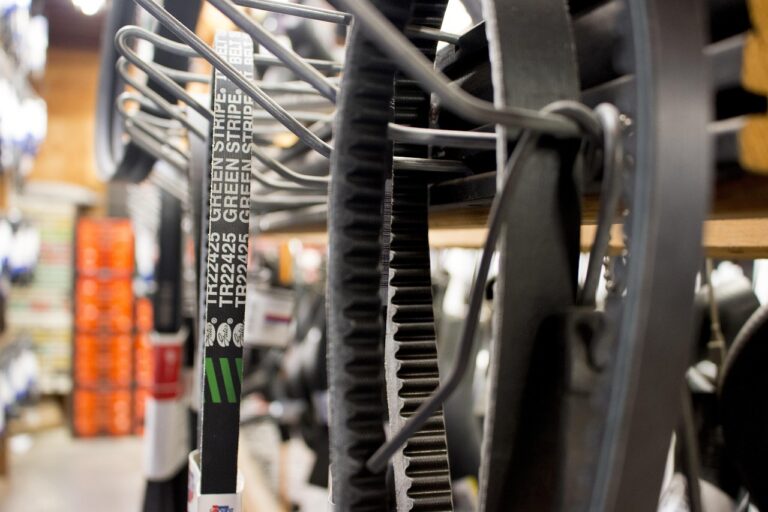
This long, winding belt powers multiple systems—like your alternator, power steering pump, AC compressor, and sometimes your water pump.
This one keeps your engine’s internal parts moving in sync. If it breaks, you’re looking at major engine damage. (And I mean major, like “thousands of dollars” major.)
Both belts are made of rubber and wear out over time. If one of them cracks, frays, or slips… your car could leave you stranded.
Let’s break down the most common warning signs you might hear or see.
 1. Squealing Noise When You Start the Car
This is the most common sound—and the easiest to ignore. But it’s often the first sign that your serpentine belt is worn or loose. I once had a guy come in with a Dodge that squealed louder than a toddler in a toy store. He thought it was “just the cold weather.” Turned out, the belt was one start away from snapping.
 2. Chirping Sound While Idling
If you’re sitting in traffic and hear a rhythmic chirp or whine, that could mean the belt is slipping against the pulleys.
 3. Flapping or Slapping Sound Under the Hood
That’s a sign the belt might have torn and is hitting other components. If you hear this, pull over immediately and call for a tow.
Pop the hood and take a look. Even if you’re not a “car person,” a few things are easy to spot:
One customer brought in a 10-year-old Honda with a belt so frayed it looked like spaghetti. They said, “It’s been making noise for months, but I thought it was fine.”  They were lucky it didn’t snap on the highway.
If you ignore a bad belt, your car can (and probably will) break down—often at the worst possible time.
A $75–$250 belt replacement today beats a $2,500 engine rebuild next month.
General rule of thumb:
But don’t wait for the mileage if you’re hearing noises or seeing cracks. Belts wear out faster in hot climates, stop-and-go traffic, and with age.
At Kingdom Autocare, we inspect belts at every oil change, just to be safe. One quick look can save you a ton of stress down the road.
A lot of folks ask me if belt replacement is a big deal. Honestly? It’s one of the simplest services we do. Here’s what happens:
Most jobs are done in under 2 hours, and the cost is minor compared to what could go wrong if you delay.
Need help? Just search belt replacement near me and book with a reputable shop like ours. 
Look—I get it. Life’s busy. That weird noise in the engine seems small when everything else is working fine. But I’ve seen too many people learn the hard way that a simple belt issue can turn into a roadside breakdown.
So next time you hear a squeal, chirp, or slap under the hood, don’t just turn up the music.
Listen to your car. Pay attention to the signs.
 Fix it before it fails.
 Book Your Belt Check or Replacement at Kingdom Autocare Today
If you’re hearing strange noises or just want peace of mind, bring your car to Kingdom Autocare. We’re local, honest, and we treat every car like it’s our own.
Schedule an appointment or call us directly and let us check your belts before they leave you stranded. We’ll get you back on the road—quietly and safely.