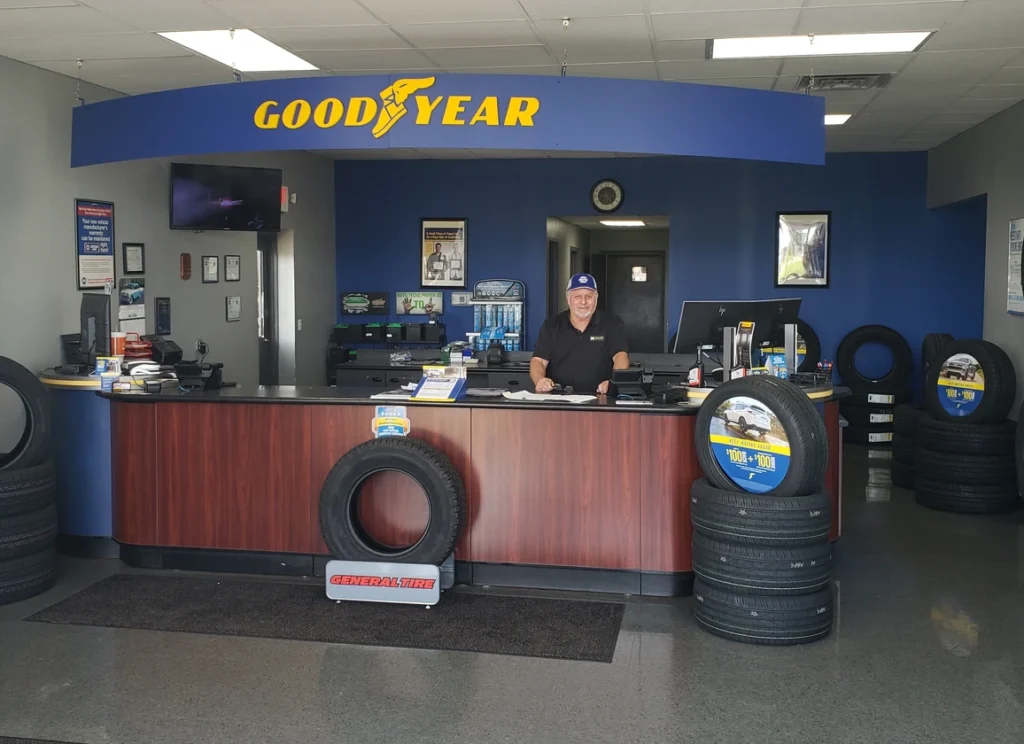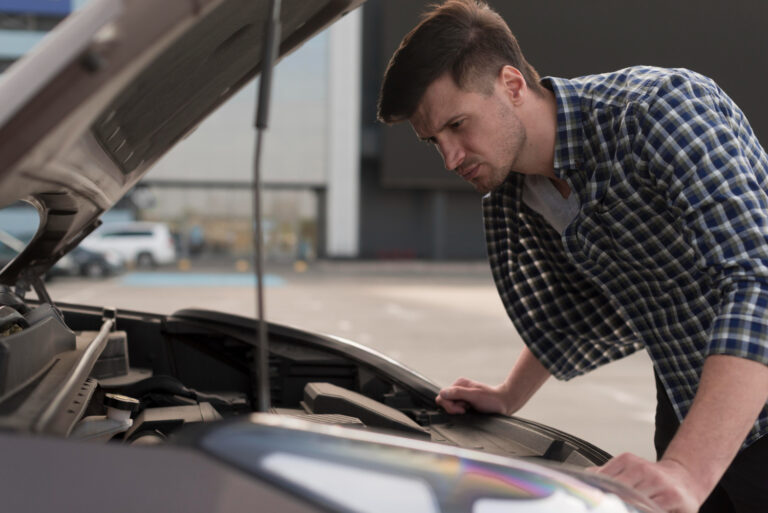
Hey, I’m Steve. I’ve been a mechanic for over 15 years, and I can tell you this—one of the quickest ways to ruin your engine (and your day) is to let it overheat. If your temperature gauge is creeping up or you’ve seen steam coming from under the hood, you’re in the danger zone.
Don’t worry though—keeping your engine cool isn’t rocket science. In this article, I’ll walk you through the basics of your car’s cooling system, what causes overheating, and how regular radiator repair and flush service can save you from expensive breakdowns.
Your engine generates a ton of heat—seriously, it can get up to 220°F (104°C) under the hood. Your radiator works like a heat exchanger, pulling heat from the coolant and releasing it into the air. Without it? Your engine would cook itself.
The radiator circulates coolant through the engine and keeps everything at a stable temperature. But like anything else, it needs maintenance to do its job right.
I had a customer last year—nice guy, drives a 2011 Ford Escape. He came in because his heat wasn’t working in winter. Turns out, his radiator was so clogged it was barely circulating coolant.
Here are a few signs you’ve got radiator problems:
If you’ve seen any of these, don’t wait. It might be time for a radiator repair and flush service.
There’s no one-size-fits-all answer, but these are the most common causes I see in the shop:
Coolant breaks down over time, loses its effectiveness, and can even become corrosive. If you haven’t had a flush in a while, it’s time.
Over time, rubber hoses get brittle, and connections wear out. I once had a customer use duct tape on a radiator hose—don’t be that guy 😅.
This little part acts like a valve to control coolant flow. If it gets stuck shut, you’ll be in trouble fast.
If your fan’s not kicking in, especially when idling in traffic, the engine’s not getting the airflow it needs.
Air pockets can prevent coolant from circulating, leading to hot spots in your engine.
I recommend a radiator repair and flush service every 30,000 miles or every 2-3 years, whichever comes first. It removes old coolant, sludge, and rust, and keeps the system running efficiently.
🧪 Tip: Always use the correct coolant mix for your vehicle. Most cars need a 50/50 mix of antifreeze and distilled water, but check your manual.
Check for any bulges, cracks, or leaks. Give the hoses a gentle squeeze—if they feel too soft or brittle, replace them.
The cap holds pressure in the system. If it’s not sealing properly, you could lose coolant or overheat.
If leaves, bugs, or dirt are clogging the radiator from the front, airflow will be restricted. Use low-pressure water to gently clean it.
Let me walk you through what we do in the shop—it’s more than just draining some fluid.
💡 A flush is like a detox for your cooling system. If you skip it for too long, rust and debris can clog your radiator or damage your water pump.
Trust me, I’ve had to pull over on the side of the highway more than once in my younger days. Here’s what you should do if your engine starts to overheat:
It may sound backward, but this pulls heat away from the engine.
Shut off the engine and pop the hood to help it cool.
Wait at least 30 minutes. Hot coolant can cause serious burns.
Use only if you’re certain it’s safe and the engine has cooled.
If your car’s been overheating more than once or you’re losing coolant with no visible leaks, it’s time to schedule a radiator repair and flush service.
Also, bring it in if you notice:
These could be signs of deeper problems like a bad head gasket or water pump.
Your radiator is one of those parts you don’t think about—until it fails. But regular maintenance, especially a proper radiator repair and flush service, is one of the best ways to avoid major repairs down the road.
Trust me, a $150 flush is a lot cheaper than a $3000 engine rebuild.
Got questions about your cooling system? Swing by the shop or shoot me a message—I’m always happy to help. Better safe than stranded 🚘🔥