Turbochargers are amazing pieces of engineering. They make small engines feel powerful, help with fuel efficiency, and make driving a lot more fun 🚗💨. But when a turbo starts to fail, it can turn into one of the most confusing — and intimidating — problems car owners face.
I see it all the time. A customer comes in worried, saying the car feels weak or makes a strange noise. They’ve already Googled turbocharger repair cost estimate and are bracing for bad news.
Here’s the good part: Not every turbo issue means the turbo is dead. In fact, many problems can be fixed without replacing the entire unit — if you catch them early.
Let’s break this down the way I explain it in the shop, minus the scare tactics.
A turbocharger uses exhaust gases to spin a turbine, which forces more air into the engine. More air means more fuel can be burned, which means more power 💪.
Sounds simple, right? The catch is that turbos:
I like to tell customers this:
A turbo lives a hard life. Treat it right, and it lasts a long time. Ignore it, and it fails fast.
These signs don’t always show up all at once. Most of the time, they creep in slowly.
This is usually the first thing people notice. You step on the gas, and the car just doesn’t respond like it used to.
I had a customer last year who thought their transmission was slipping. Turned out the turbo wasn’t building boost due to a cracked hose. Easy fix. Big relief.
A healthy turbo makes a soft whoosh.
A failing turbo might sound like:
If you hear that, don’t ignore it.
Modern cars monitor boost pressure closely. When something’s off, the computer knows.
The light doesn’t automatically mean turbo failure — but it does mean something needs attention.
Either way, it’s not something to shrug off.
Ironically, when a turbo fails, your MPG often drops. The engine works harder to make the same power.
Dirty oil, low oil, or skipped oil changes are the number one reason turbos fail.
I’ve torn down turbos that looked like they ran without oil for miles. Most of the time, the owner didn’t realize how critical oil maintenance is for turbo engines.
Shutting off the engine immediately after hard driving can trap heat inside the turbo. Over time, that cooks the oil and damages internal components.
As mileage increases, parts wear. It’s normal — but ignoring early symptoms speeds things up.
Cracked hoses, loose clamps, or faulty intercoolers can feel exactly like a bad turbo.
I’ve saved customers thousands by finding a $40 hose instead of replacing a turbo 😅.
Guessing is expensive. Diagnosis is where money is saved.
We look for:
Modern vehicles tell us a lot. Boost pressure readings, sensor data, and fault codes help narrow things down fast.
Low oil pressure or incorrect boost levels can point to the real issue — sometimes before the turbo is damaged beyond repair.
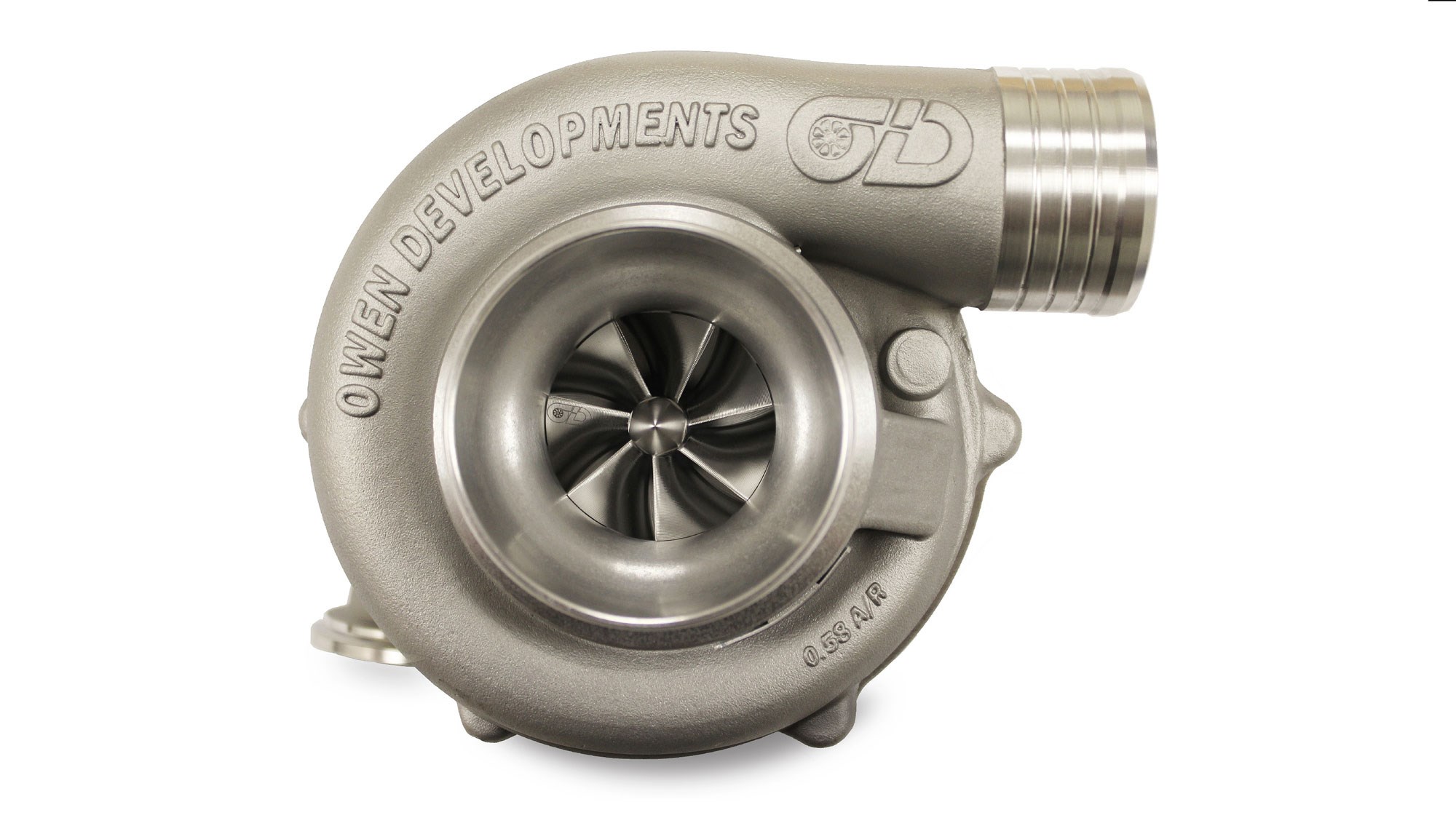
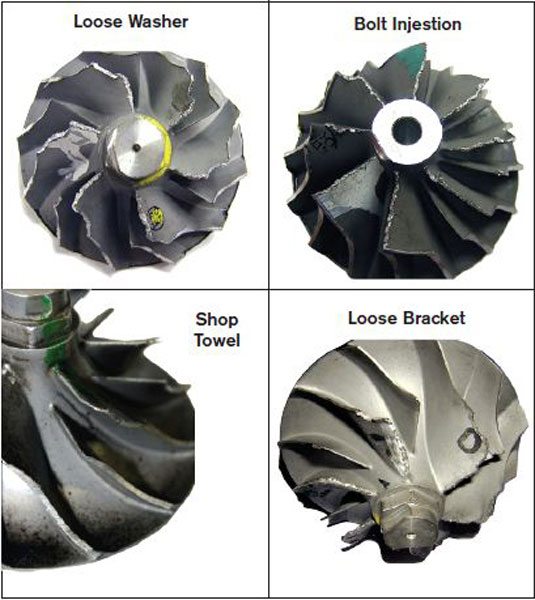
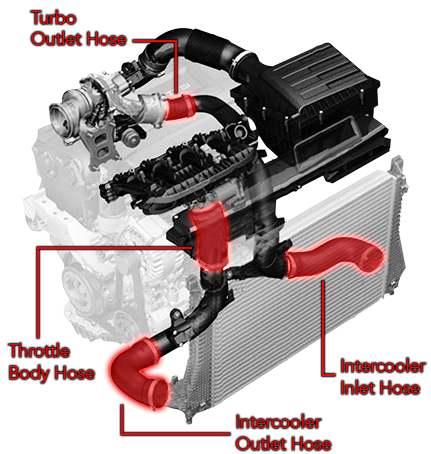
These are the repairs I love delivering because customers expect the worst and get great news.
Some turbos can be rebuilt if the housing is in good shape. This can lower the turbocharger repair cost estimate significantly.
Sometimes replacement is the smartest option — especially if internal damage is severe or metal debris is present.
There’s no one-size-fits-all number, but here’s what influences cost the most:
Luxury and performance vehicles typically cost more due to part prices and labor complexity.
OEM parts cost more but offer factory reliability. Aftermarket options can save money if chosen carefully.
Some turbos are easily accessible. Others require half the engine bay to come apart.
The key is accuracy, not assumptions.
That whining noise doesn’t fix itself.
If a turbo sheds metal into the engine or starves it of oil, repair costs climb fast.
Every mile driven with a failing turbo increases the turbocharger repair cost estimate.
A good shop explains first, repairs second.
Stick to proper intervals. Use the right oil.
Let the engine warm up gently. After hard driving, let it idle briefly before shutting off.
Catching small issues early keeps repair costs manageable.
Turbochargers don’t usually fail overnight. They give warnings — most people just don’t know what they’re hearing or feeling.
If you’re searching for a turbocharger repair cost estimate, the smartest move is getting an accurate diagnosis first. I’ve seen early inspections save customers thousands.
Fix it early, fix it right, and you’ll keep your car strong for years 💪.
If your car feels underpowered, makes strange noises, or you’re worried about turbo issues, let us take a look.
👉 Book an appointment at Kingdom Autocare
We proudly serve Peoria, East Peoria, and Pekin.
We’ll give you honest answers, clear options, and repairs that actually make sense — the way auto repair should be 👍